
Top Single Pass Printers for Packaging & Labels: 7 Model Recommendations for 2026
Top Single Pass Printers for Packaging & Labels: 7 Model Recommendations for 2026
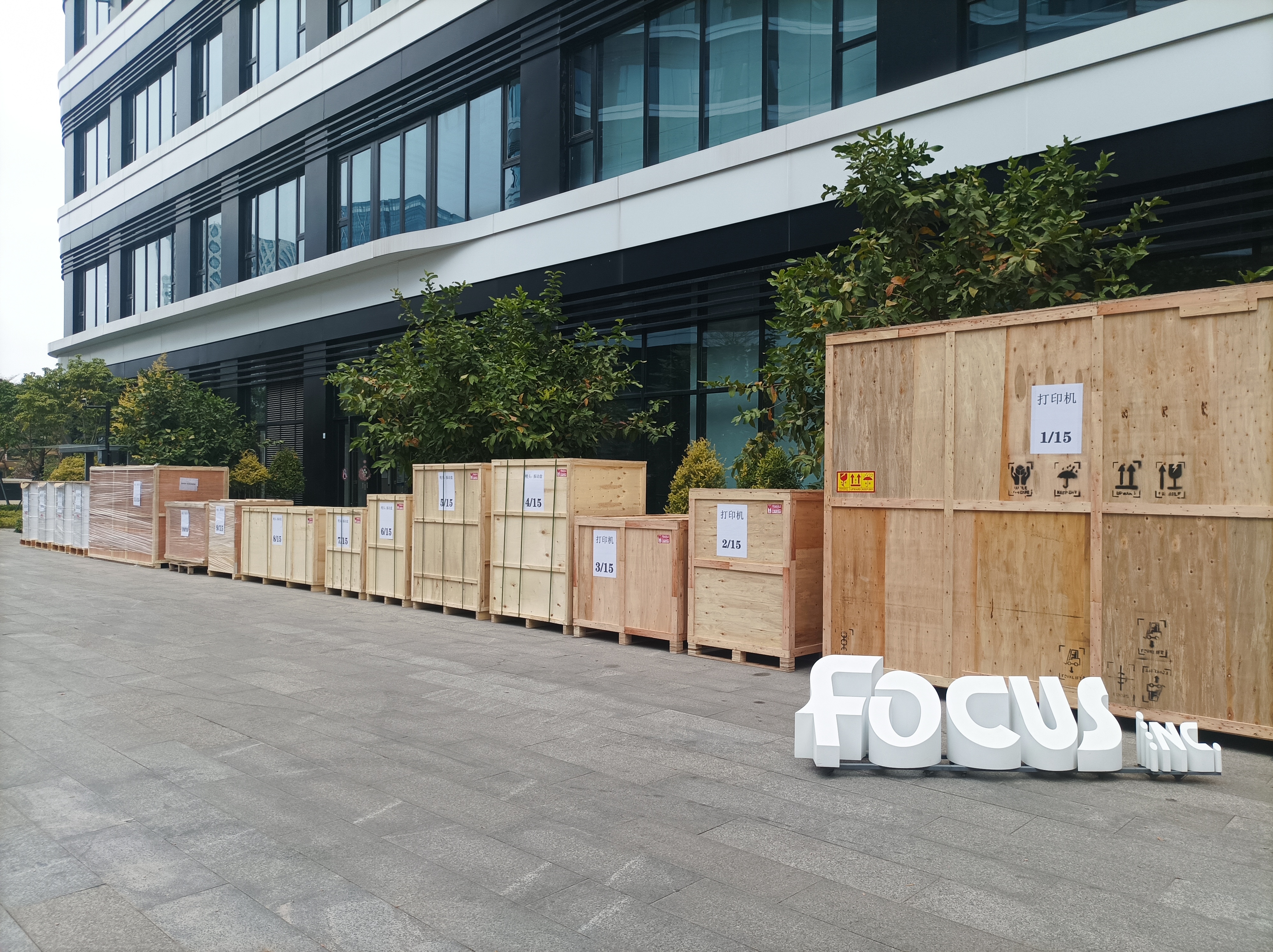
Single pass digital printers and matched conveyor modules — the machine class this guide ranks by job fit.
Most packaging and label converters entering 2026 have already settled the technology question. They accept that a single pass printer — a digital inkjet system that lays down the complete colour set in one pass of the print beam over the substrate — removes plate-making from the workflow, compresses proofing, and makes variable data practical. What remains undecided is the model.
That decision is not a detail. Under the phrase “single pass printer” sit several machine classes that share a printing principle and almost nothing else: wide corrugated presses, compact carton printers, roll-to-roll label engines, integrated print-and-die-cut systems, and specialist in-mold label platforms. A converter who buys across classes pays for format, media handling, and finishing capability the plant will never use.
This article ranks seven single pass printer recommendations from the FocusInc portfolio — the Cobra-1209S, Cobra-1815S, the Cobra-691S Max / 691S AS B class, the Viper-391S / 391S Pro, the Vesa-830A, the NEXUS-350J, and the S350 Jetpress — and explains what each one is actually good at. It is written for buyers at the decision and execution stage: the specification, compliance, acceptance-testing, lead-time, and parts-supply details that decide whether a machine is still the right choice three years after installation.
The Problem: Model Selection Fails Because Buyers Compare Across Machine Classes
The single pass printer market is easy to describe and hard to buy in, because almost every comparison a buyer can find mixes machines that are not competing for the same job. A label converter who scores a wide corrugated press against a roll-to-roll label engine on one scorecard will always reach the wrong conclusion. The problem has three parts.
Format and media mismatch. Corrugated board, folding cartons, label roll stock, and in-mold label film are handled by different feeding, transport, and finishing architectures. A machine optimised for board cannot substitute for a roll-fed label platform, and vice versa, no matter how similar the print specification looks on paper.
The cost model changes once plates disappear. FocusInc’s own comparison of single pass digital printing against screen printing machines, offset printing presses, and flexographic printing machines turns on four points: no plate making is required; the system supports variable QR codes, serial numbers, and personalised data printing; a pattern change can be completed within one minute; and order sample lead time is shortened by 75%, with order quantities starting from a single piece instead of the minimum thousands of pieces traditional printing requires. The same comparison states the trade-off plainly: for mass orders above 10,000 pieces, single-piece printing cost is higher, because the plate-free workflow has already removed the pre-production savings that traditional presses amortise across long runs. Model choice, therefore, is partly a question of where your order book sits between one piece and ten thousand.
Execution risk is under-documented. Machine dimensions, net and gross weight, cleaning and acceptance protocols, warranty structure, and spare-parts continuity decide whether a purchase is repeatable. Many single pass quotations never state them. That gap is where this ranking starts.
Industry Background: What Frames the 2026 Model Choice
Four structural facts shape which single pass models matter this year.
Market growth is real but unevenly forecast. Zion Market Research valued the global digital printing for packaging market at USD 31.64 billion in 2023 and projected USD 75.55 billion by 2032. Other research houses publish materially different endpoints for the same market — SNS Insider at USD 62.75 billion and Credence Research at USD 27.44 billion. The defensible conclusion is the direction of growth, not any single forecast figure.
Inkjet is the dominant digital architecture. The inkjet digital printers segment accounted for the largest share of the digital printer market, 42.5%, as of 2025 (Straits Research). That matters for single pass specifically: inkjet is the architecture that makes one-pass printing commercially viable at production speed.
Substrate supply is concentrated in China. More than 88 billion square metres of corrugated board were produced in China in 2024 (China Packaging Federation / Dataintelo), which is the substrate base driving demand for corrugated-class single pass machines and the reason so many of the models in this class are built and exported from Chinese manufacturers.
Compliance and measurement are standardised — and that is useful. Ink yield for colour inkjet systems is reported under ISO/IEC 24711 and ISO/IEC 24712, which makes consumption claims comparable between vendors. Industrial single pass printers placed on the EU market must comply with the Low Voltage Directive (2014/35/EU) and the EMC Directive to carry CE marking. Print head supply is also concentrated: HP Inc. holds a 32% global shipment share in the large format printer market (Mordor Intelligence / Maximize Market Research), the segment that includes PageWide single pass technology — which makes head platform availability a supply-chain question over a five-to-ten-year machine life, not a spec sheet line.
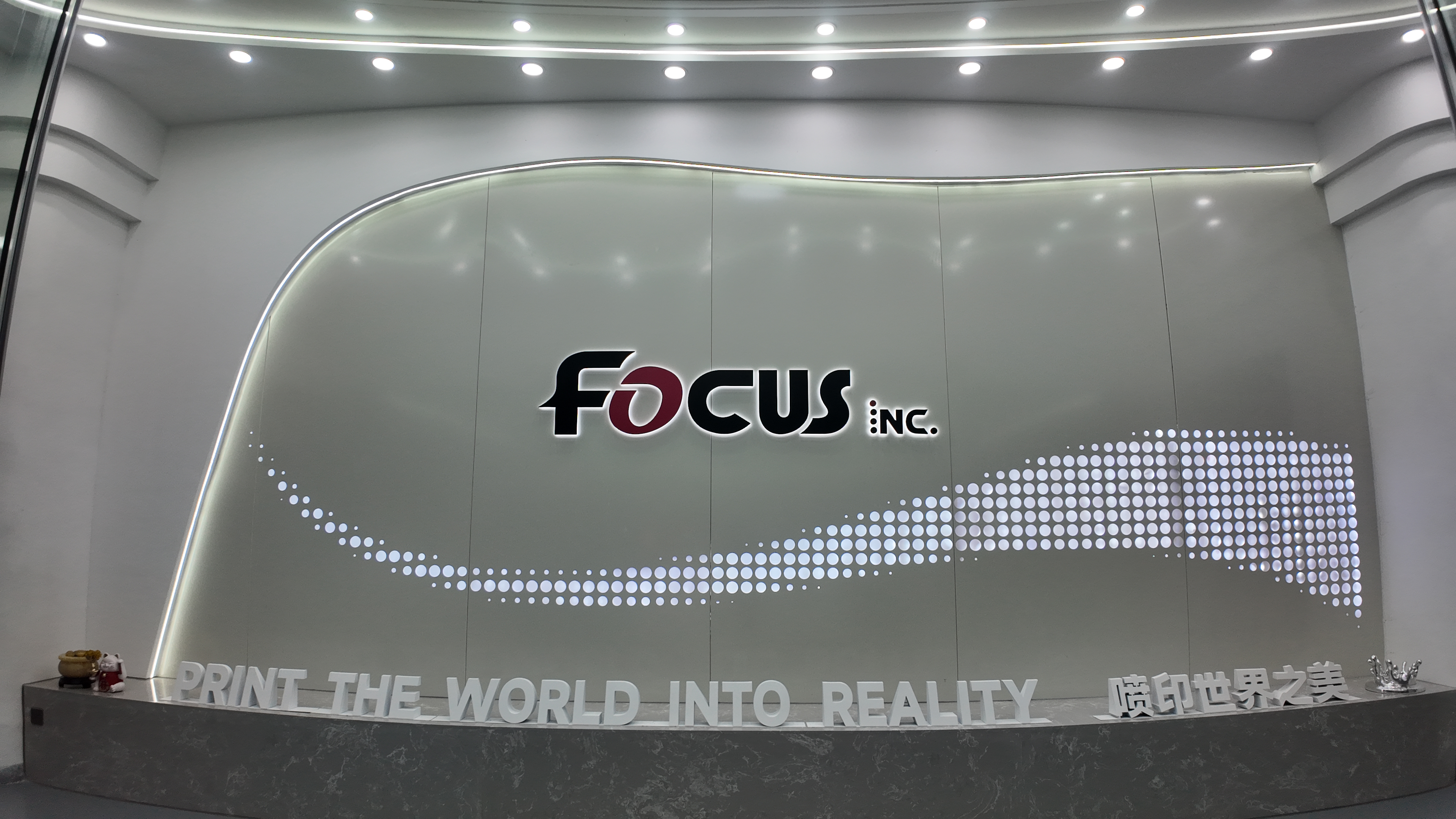
FocusInc’s manufacturing base in Shanghai. The company was founded in 2008, has operated its own factory since 2018, and was certified as a national high-tech enterprise in 2022.
The 7 Model Recommendations
The seven picks below are ordered from the broadest packaging job to the most specialised. Each was assessed on the same six axes: the substrate class the model is built for, the published speed band, the resolution ceiling, finishing and automation integration, execution readiness (documented dimensions, compliance file, delivery terms), and lifecycle support. Where a model has no complete published data set, that gap is stated rather than filled.
1. Cobra-1209S — the corrugated and packaging benchmark
The Cobra-1209S is a single pass packaging printer built for corrugated board and carton work, and it carries the most complete published execution data in the range. Overall machine dimensions are 102.3 (L) × 86.6 (W) × 71.7 (H) inches, with packing dimensions of 114.2 (L) × 88.6 (W) × 85.8 (H) inches. Net weight is 3190 lb (1450 kg) and gross weight is 3520 lb (1600 kg).
Those numbers are not marketing copy. They decide whether the machine clears a doorway, what floor loading it needs, how it is rigged, and how freight is quoted. A 1450 kg net machine with a 150 kg packing allowance sits in standard forklift and standard container planning territory. A buyer who discovers the physical envelope after the purchase order is signed has a problem that no specification upgrade can fix.
Specification anchors for this class: print speeds in the 10–40 m/min band, and resolution up to 1200 × 1200 dpi.
It takes the top slot because it covers the widest set of corrugated and packaging jobs without forcing a class change, and because its physical data is documented before the quotation — the single most common gap in single pass proposals.
Verify before quoting: media width and thickness limits for your actual board grades, and whether a conveyor or stacking module is required to match the existing line.
2. Cobra-1815S — the wide-format corrugated option
Where the 1209S anchors the middle of the Cobra series, the Cobra-1815S sits at the wide end for corrugated board and large carton work. It shares the Cobra platform characteristics: single pass architecture, the 10–40 m/min speed band, resolution up to 1200 × 1200 dpi, and a machine build based on a carbon steel frame with an extruded aluminium print beam.
It earns its place because large-format corrugated and display packaging is where plate-based processes lose the most time — every oversized SKU needs its own plate set, and the plate cost scales with the size of the print. Removing that step is the entire value case for wide single pass printing.
Trade-off to accept: floor space and capital. If your mix is dominated by small cartons or roll labels, this is the wrong class and you would be paying for board width you never use.
3. Cobra-691S Max and Cobra-691S AS B — the compact carton class
The 691S class is the compact end of FocusInc’s corrugated and carton range, and it is the pick for converters whose order book is dominated by cartons, boxes, and cardboard rather than oversized board. Two configurations are marketed in this class: the Cobra-691S Max and the Cobra-691S AS B.
Both sit inside the same specification envelope as the rest of the packaging class — 10–40 m/min print speeds and resolution up to 1200 × 1200 dpi — and both are built on the same carbon steel frame and extruded aluminium print beam as the wider Cobra models.
The class earns a spot because it is the lowest-friction entry into single pass digital for a carton printer moving off sheet-fed digital or small-format flexo, while keeping the same plate-free economics as the larger machines: one-piece order quantities, one-minute pattern switching, and no plate storage or plate-cleaning cost.
Verify before quoting: two builds are marketed under the 691S banner, so confirm which configuration — Max or AS B — matches your loading, unloading, and automation requirements, and which auxiliary modules are included at the quoted price. The naming is a commercial distinction; the line-by-line specification is what you should be comparing.
4. Viper-391S / Viper-391S Pro — the roll-to-roll label engine
Label work is a different machine class from corrugated. The substrate arrives on a roll, runs continuously, and is rewound or finished inline. The Viper-391S and Viper-391S Pro are FocusInc’s roll-to-roll single pass label printers and the natural starting point for label and sticker converters.
Specification anchors: label-class print speed of 20–40 m/min and resolution up to 1200 × 1200 dpi.
The pick earns its place because single pass removes the plate change from every SKU switch, which is exactly where short-run and mid-run label economics break down on flexographic equipment. The same plate-free logic that applies to packaging — variable QR codes, serial numbers, personalised data, changeover inside one minute — applies to labels with more force, because label runs are shorter and SKU counts are higher.
Verify before quoting: whether the quotation covers the 391S or the 391S Pro, and which unwinder, rewinder, and finishing modules are in scope. Two configurations are marketed under one series name, so the commercial line items are where the difference appears.
5. Vesa-830A — the second label-class configuration
The Vesa-830A is the second label-class model in this recommendation set, and it exists because not every label converter buys the same machine. Buyers whose mix skews toward shorter and more personalised sticker and label work should price the Vesa-830A against the Viper series rather than assume the two are interchangeable.
Specification anchors: 20–40 m/min in the label class, resolution up to 1200 × 1200 dpi, and the same FocusInc single pass toolchain, including the self-developed variable data printing system that carries no third-party software licensing fee.
It earns a place because it keeps the label decision from collapsing into a single-model choice and gives buyers a second configuration and price point to test against their own run-length distribution. That distribution — not the model name — determines which machine is cheaper to own over five years.
6. NEXUS-350J — print and die-cut in one pass
The NEXUS-350J is the outlier on this list: an all-in-one print-and-die-cut system rather than a pure printer. It combines single pass inkjet printing with die-cutting so that printed and finished pieces leave the line without a separate finishing station.
It earns a spot because in many packaging plants the bottleneck is not printing speed but the handoff between printing and finishing — work in progress, a second setup, a second operator, and a second source of scrap. Consolidating print and die-cut addresses the handoff rather than the press, which is often where the real throughput loss sits.
Trade-off to accept: an integrated system is less flexible than a printer plus independent finishing equipment. If die-cut shapes change constantly, or if you already own finishing capacity that is not fully loaded, the integration premium may not pay back.
Verify before quoting: the die-cut tooling approach and its changeover routine, and how the unit interfaces with your existing feeding and stacking equipment.
7. S350 Jetpress — the in-mold label specialist
In-mold labelling is the most specialised application in this set. IML labels are printed and then converted for moulding into the finished product, which places different demands on the print platform than corrugated board or standard roll labels. The S350 Jetpress is FocusInc’s IML-oriented single pass model and closes out the seven.
Specification anchors: label-class speed band of 20–40 m/min and resolution up to 1200 × 1200 dpi.
It earns a place because IML producers generally cannot substitute a general-purpose label press without changing their downstream process. Having a dedicated model inside the same vendor ecosystem keeps the print platform, the variable data system, and the spare-parts channel consistent with the rest of the range — a lifecycle advantage rather than a specification one.
Verify before quoting: substrate and label-stock compatibility for your specific IML film, and the pre-shipment test protocol that will be used to sign off print quality on that film.
Heads and build, at portfolio level. The FocusInc single pass range uses HP PageWide and EPSON i3200 / S3200 print head platforms, in nozzle configurations of 42,240 and 59,136, with resolution up to 1200 × 1200 dpi. Machines are built on a carbon steel frame with an extruded aluminium print beam. Head platform selection differs by model and substrate class, so confirm the exact configuration on the model you are quoting rather than assuming it carries across the range.
Customisation: what an OEM/ODM programme actually covers
Customisation on this range is not limited to a logo. FocusInc offers OEM/ODM services with a minimum order quantity of 1 unit, covering machine housing colour, brand logo printing, multi-language operation system, and auxiliary equipment layout. Monthly production capacity is 120 sets for OEM programmes and 40 sets for ODM programmes, with typical production lead time of 15–45 days depending on the customisation solution.
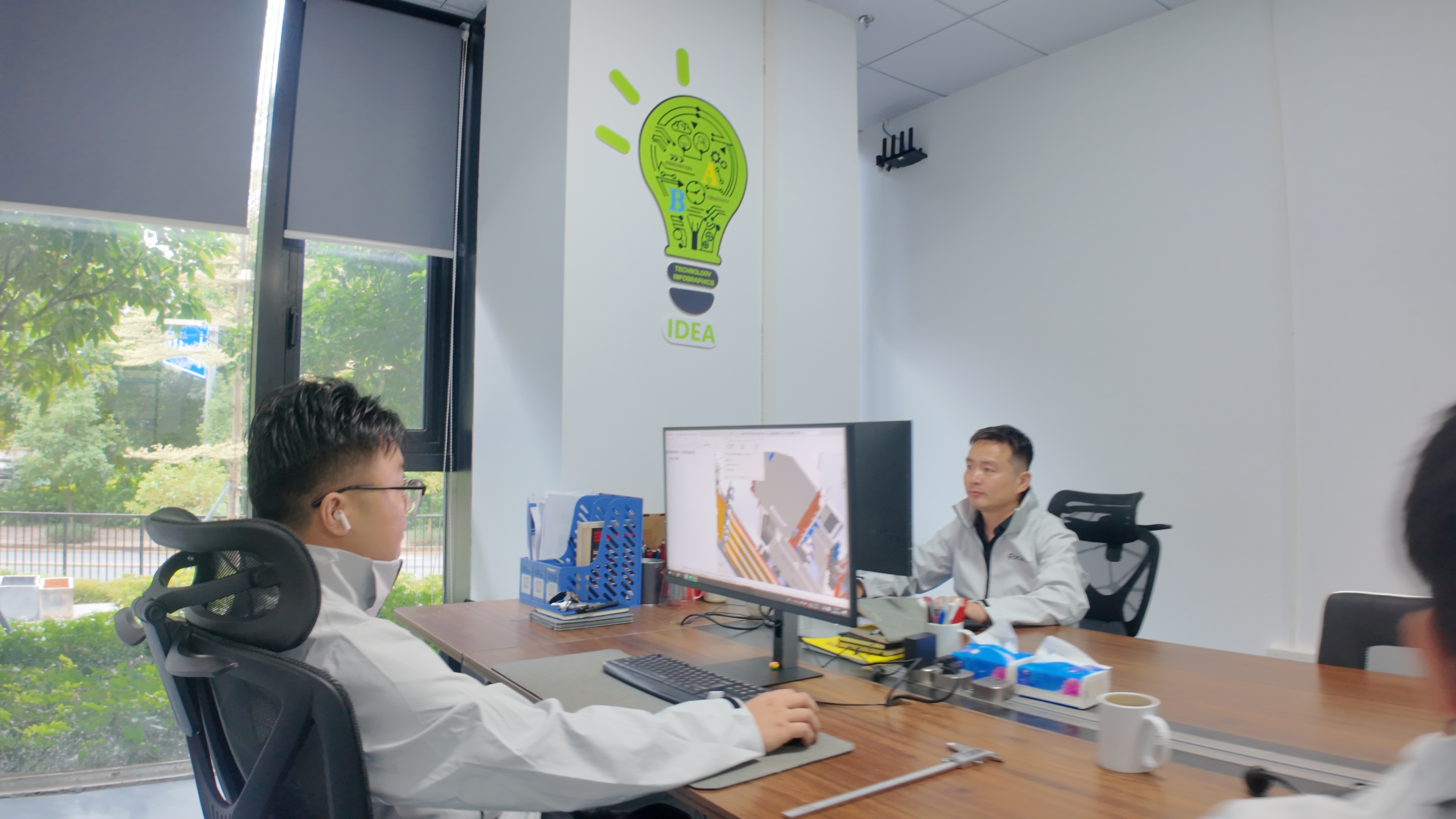
FocusInc’s R&D team develops printer configurations and tooling to customer requirements — from solution generation and drawing output through to production scheduling.
Step-by-Step: Rebuilding This Shortlist for Your Own Plant
The seven picks above are a starting framework, not a decision. The sequence below is how to convert them into a purchasing decision you can defend internally.
- Classify the job before comparing models. Corrugated board and cartons, roll labels and stickers, in-mold labels, or an integrated print-and-finish line. A model that wins in one class is usually irrelevant in another, and comparing across classes produces a shortlist that cannot be executed.
- Set a speed floor from your own takt time. FocusInc publishes 10–40 m/min for the corrugated and packaging class and 20–40 m/min for the label class. Calculate the minimum metres per minute the rest of your line can absorb, then treat anything above that as headroom rather than a headline number.
- Fix the resolution requirement against your artwork. The range tops out at 1200 × 1200 dpi. If your work includes small type, fine barcodes, or variable data, test at the resolution you will actually run in production rather than at the highest setting the machine offers.
- Check the physical envelope and the finishing interface. Published dimensions and weight exist for the Cobra-1209S: 102.3 × 86.6 × 71.7 inches and 3190 lb (1450 kg) net. Request the same data for every other model before quoting, because doorway width, floor loading, and rigging all depend on it.
- Verify compliance and inspection options. FocusInc performs a 100% full-machine pre-shipment running test, a continuous running aging test, and a full customised function verification test, and supports third-party factory audit and SGS / CE inspection on request. For EU destinations, confirm that the CE file for the specific model and configuration covers the Low Voltage Directive (2014/35/EU) and the EMC Directive.
- Lock commercial terms and lifecycle terms together. Purchase terms are MOQ 1 unit; delivery terms EXW / FOB / CIF / DDU / DDP / DAP; acceptance criteria are the pre-shipment test; payment terms are 50/50. Warranty and support are offered as 13 months free warranty with lifetime spare parts supply, or as a package including 3-year machine warranty, global online remote technical support, overseas on-site installation and training, customised technical parameter updates, and lifelong technical consultation.
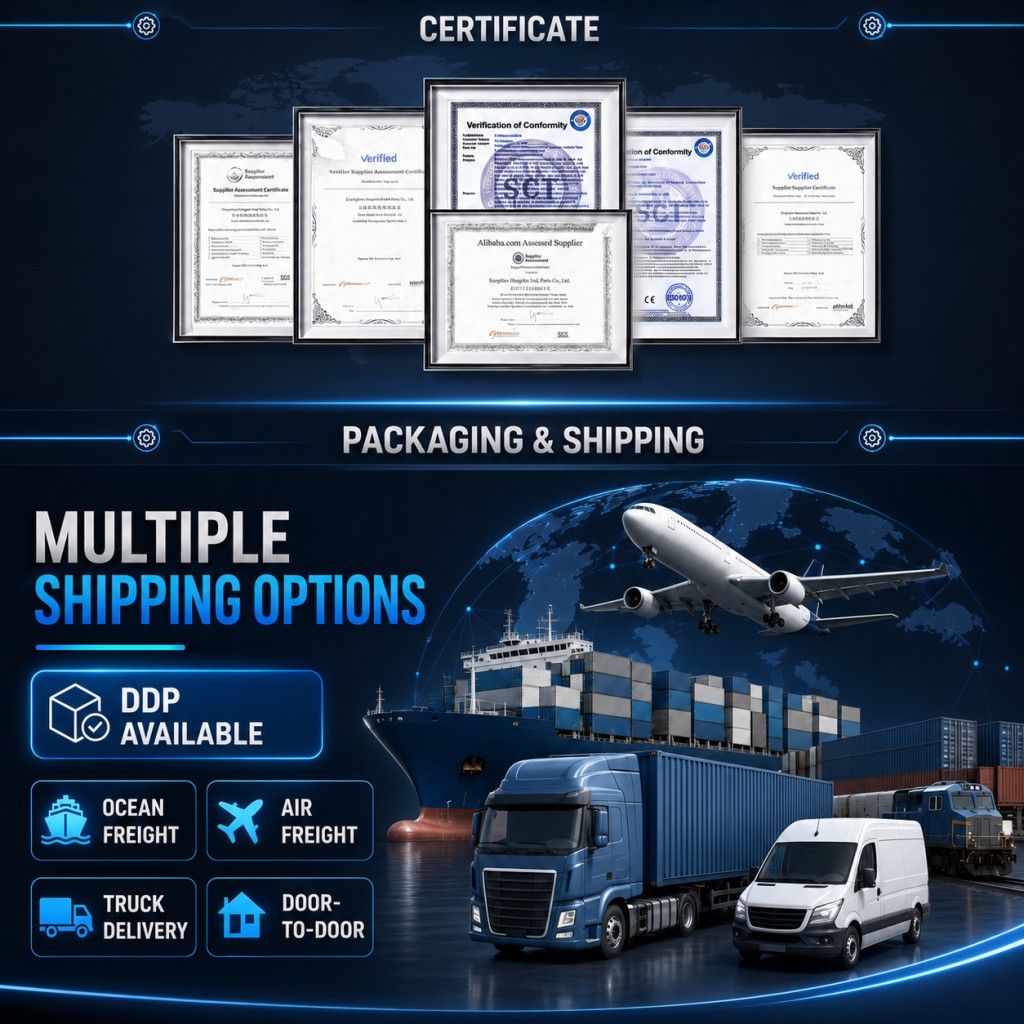
Import and export licences, environmental permits, and product certifications — the documents to request alongside the quotation.
The execution checklist that sits behind the acceptance decision
Quality control on this range is defined in three stages on the unit being shipped — a 100% full-machine pre-shipment running test, a continuous running aging test, and a full customised function verification test — plus optional third-party factory audit and SGS / CE inspection. Treat that structure as the template for your own acceptance document: name the substrate, name the artwork, name the run length, and name the pass criteria before the pre-shipment test is scheduled.
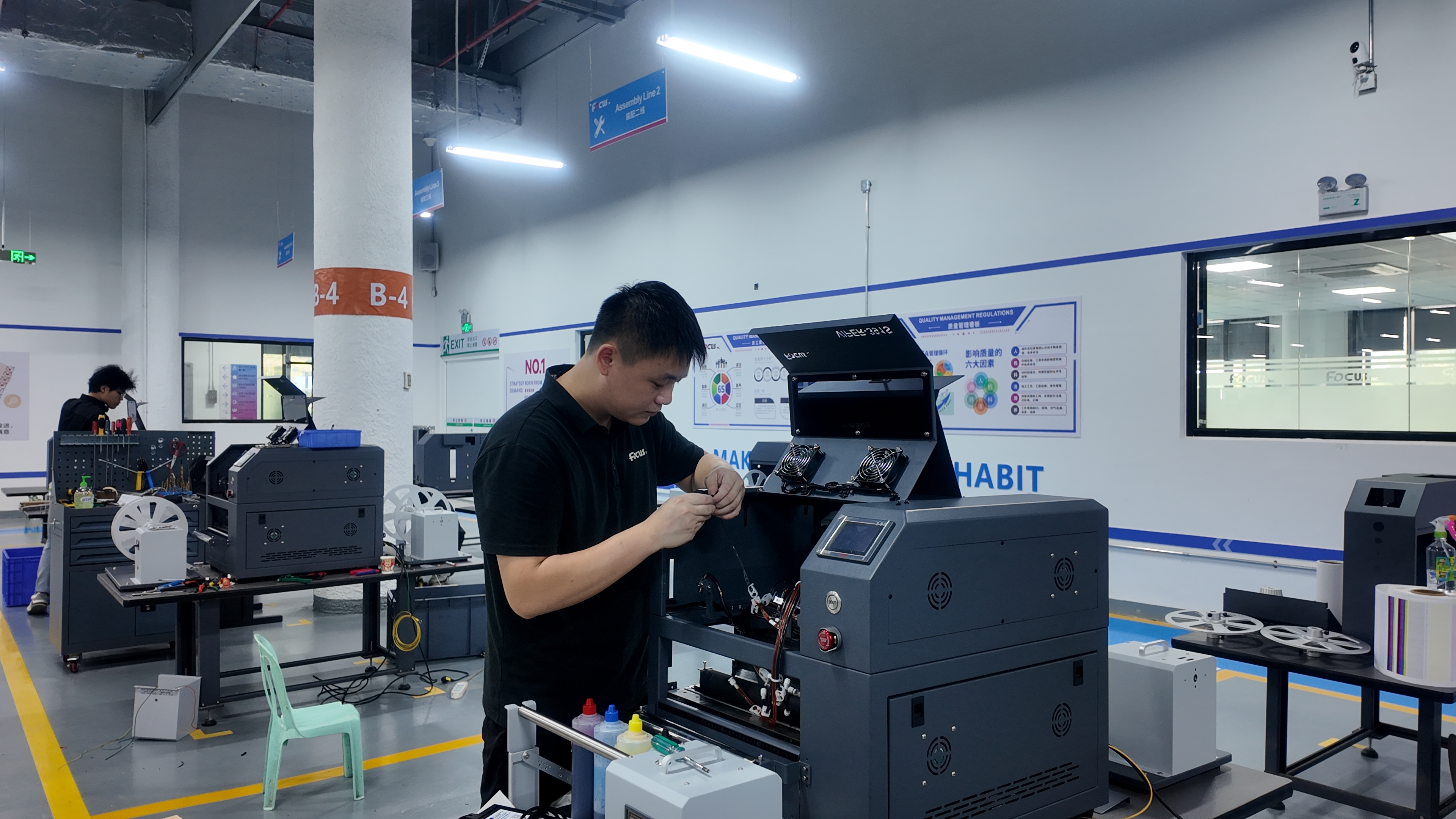
Standard QC process before packing and delivery. Pre-shipment testing is the acceptance criterion named in FocusInc’s published purchasing terms.
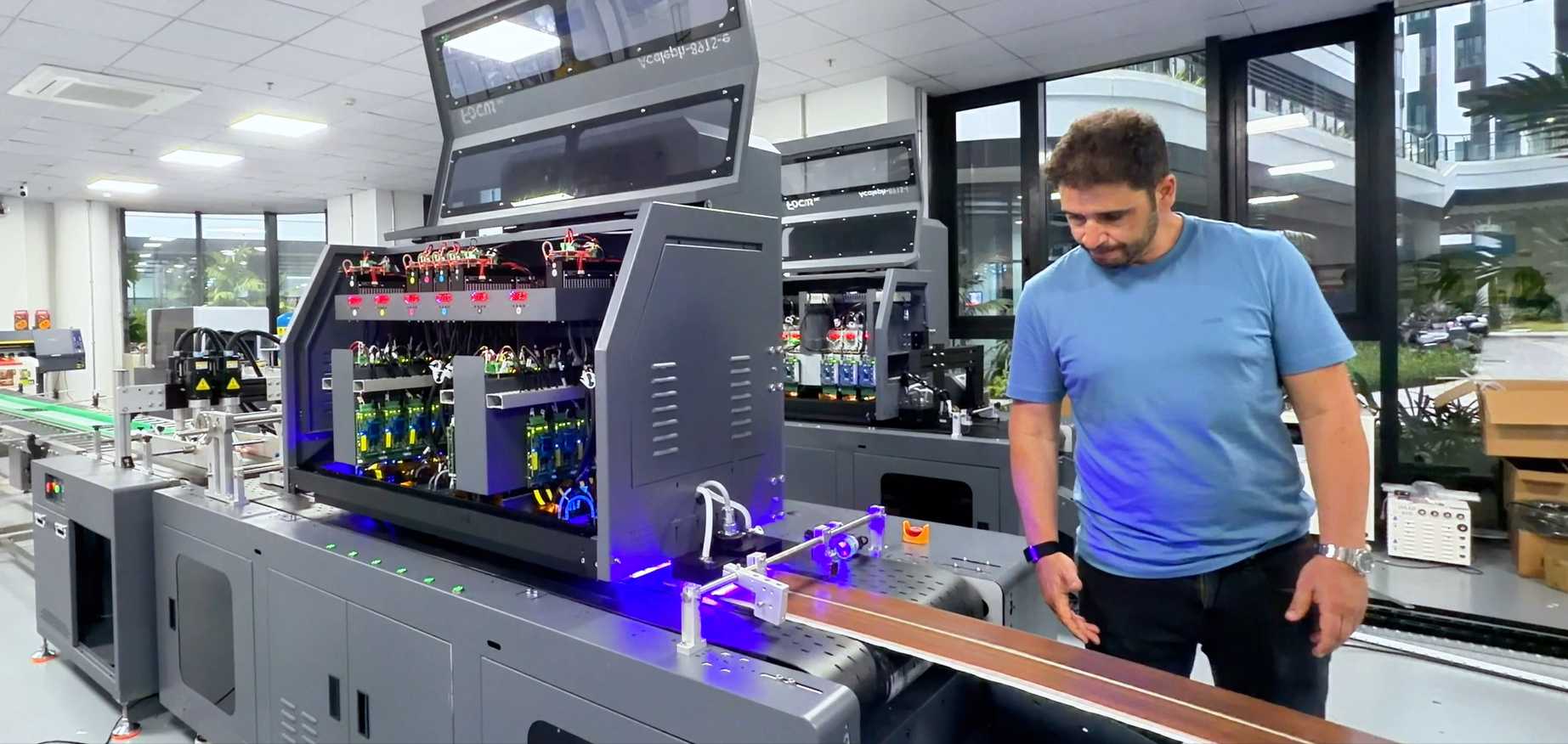
On-site support and training are part of the published lifecycle package — relevant when the machine is installed in a plant that has never run single pass equipment.
Use Cases: Matching Each Pick to a Production Job
- Corrugated shipping boxes and large cartons: Cobra-1815S for wide board, Cobra-1209S for the mid-range balance of format and documented footprint. Both are corrugated-class machines running 10–40 m/min at up to 1200 × 1200 dpi.
- Retail cartons, folding boxes, and cardboard displays: Cobra-691S Max or Cobra-691S AS B — the compact end of the same packaging class.
- Roll labels and stickers: Viper-391S / 391S Pro, with the Vesa-830A as the alternative label-class configuration to price against it.
- In-mold labels: S350 Jetpress, where the downstream moulding process constrains which print platform is viable.
- Integrated print-plus-finish lines: NEXUS-350J, where die-cutting happens inline and the finishing handoff is the constraint.
- Adjacent applications on the same platform: the FocusInc single pass portfolio also covers non-woven bag single pass digital inkjet printing, pouch bag single pass UV printing, single pass digital corrugated printing, and single pass book-edge printing — relevant if your order book is broader than packaging alone.
Comparison Table: The 7 Recommendations at a Glance
| Pick | Model | Primary job | Substrate class | Published speed band | Max resolution | Best-fit operation |
|---|---|---|---|---|---|---|
| 1 | Cobra-1209S | Corrugated & packaging printing | Corrugated board, cartons | 10–40 m/min | 1200 × 1200 dpi | Converters needing broad packaging fit with documented machine dimensions and weight |
| 2 | Cobra-1815S | Wide-format corrugated printing | Corrugated board | 10–40 m/min | 1200 × 1200 dpi | Large cartons and display packaging, where plate cost scales with print size |
| 3 | Cobra-691S Max / 691S AS B | Compact carton and box printing | Cartons, boxes, cardboard | 10–40 m/min | 1200 × 1200 dpi | Carton printers moving off sheet-fed digital or small-format flexo |
| 4 | Viper-391S / 391S Pro | Roll-to-roll label printing | Label and sticker roll stock | 20–40 m/min | 1200 × 1200 dpi | Label converters with short and mid runs and high SKU counts |
| 5 | Vesa-830A | Label and sticker printing | Label and sticker roll stock | 20–40 m/min | 1200 × 1200 dpi | Buyers pricing a second label-class configuration before committing |
| 6 | NEXUS-350J | Print and die-cut in one pass | Packaging stock | 10–40 m/min | 1200 × 1200 dpi | Plants where the finishing handoff, not the press, is the throughput bottleneck |
| 7 | S350 Jetpress | In-mold label printing | IML label stock | 20–40 m/min | 1200 × 1200 dpi | IML producers needing a dedicated platform inside an established parts and support ecosystem |
Speed bands above are the published class ranges for the corrugated / packaging class and the label class. Confirm the exact figure for the model and configuration you are quoting, together with media width and thickness limits, before the purchase order is raised.
FAQ
Do FocusInc single pass printers meet EU compliance requirements?
Industrial single pass printers placed on the EU market must comply with the Low Voltage Directive (2014/35/EU) and the EMC Directive in order to carry CE marking. FocusInc supports the compliance case with a 100% full-machine pre-shipment running test, a continuous running aging test, and a full customised function verification test, and it supports third-party factory audit and SGS / CE inspection on request. Because a CE declaration is issued per product and configuration, buyers should request the technical file for the specific model being quoted rather than relying on a general certificate.
Which materials can the recommended single pass printers handle?
Across the seven picks the range covers corrugated board and cartons (Cobra-1209S, Cobra-1815S, Cobra-691S Max and 691S AS B), roll labels and stickers (Viper-391S / 391S Pro and Vesa-830A), packaging stock with inline die-cutting (NEXUS-350J), and in-mold label stock (S350 Jetpress). The same FocusInc platform also addresses non-woven bag single pass digital inkjet printing, pouch bag single pass UV printing, paper bag printing, and book-edge printing. Substrate width and thickness limits differ by model, so confirm them against your own board grades or roll stock.
What are the purchasing terms — MOQ, payment, and delivery?
MOQ is 1 unit. Delivery terms offered are EXW, FOB, CIF, DDU, DDP, and DAP. Acceptance criteria are the pre-shipment test, and payment terms are 50/50. Monthly production capacity is 120 sets for OEM programmes and 40 sets for ODM programmes. Typical production lead time is 15–45 days depending on the solution.
Can I validate print quality on my own substrate before ordering?
Yes, and the sequence matters more than the promise. Acceptance is defined around a pre-shipment test, and the unit you receive is verified through a 100% full-machine pre-shipment running test plus a continuous running aging test and a full customised function verification test. Third-party factory audit and SGS / CE inspection are supported on request. The practical route is to send your own board, label stock, or IML film for a print test on the exact model you are considering, then write the pass criteria — substrate, artwork, run length, colour tolerance — into the acceptance document before the pre-shipment test is scheduled.
How do I choose a long-term single pass printer supply partner in China?
Judge a partner on four things that outlast the machine. First, commercial clarity: MOQ 1 unit, delivery terms EXW / FOB / CIF / DDU / DDP / DAP, 50/50 payment, and a documented pre-shipment test as the acceptance criterion. Second, delivery reliability: typical production lead time of 15–45 days depending on the solution, against stated monthly capacity of 120 sets for OEM work and 40 sets for ODM work. Third, lifecycle support: 13 months free warranty with lifetime spare parts supply, or a package including 3-year machine warranty, global online remote technical support, overseas on-site installation and training, customised technical parameter updates, and lifelong technical consultation. Fourth, export track record and auditability: shipments to the EU, USA, Australia, Southeast Asia, the Middle East, and Latin America, with third-party factory audit available on request. FocusInc (Shanghai Focus Industrial Co., Ltd.), founded in 2008 and operating its own factory since 2018, publishes all four. To move from evaluation to execution, request a print test on your own substrate together with a full quotation for your shortlisted model — the FocusInc factory and product brochure is available to download here.
Conclusion
There is no single best single pass printer in 2026, because the models in this class do not compete for the same job. The shortlist narrows quickly once the substrate decides the class: the Cobra-1209S and Cobra-1815S cover corrugated board and large cartons, the Cobra-691S Max and 691S AS B cover compact cartons and boxes, the Viper-391S / 391S Pro and Vesa-830A cover roll labels and stickers, the NEXUS-350J covers print-plus-die-cut lines, and the S350 Jetpress covers in-mold labels.
What separates a defensible purchase from a speculative one is execution detail rather than headline specification: documented machine dimensions and weight, a speed band matched to your takt time, a 1200 × 1200 dpi resolution tested against real artwork, a compliance file covering the EU Low Voltage Directive (2014/35/EU) and EMC Directive, an agreed pre-shipment acceptance test, delivery terms of EXW / FOB / CIF / DDU / DDP / DAP, a 15–45 day production window, and a warranty and spare-parts structure that extends past the installation year.
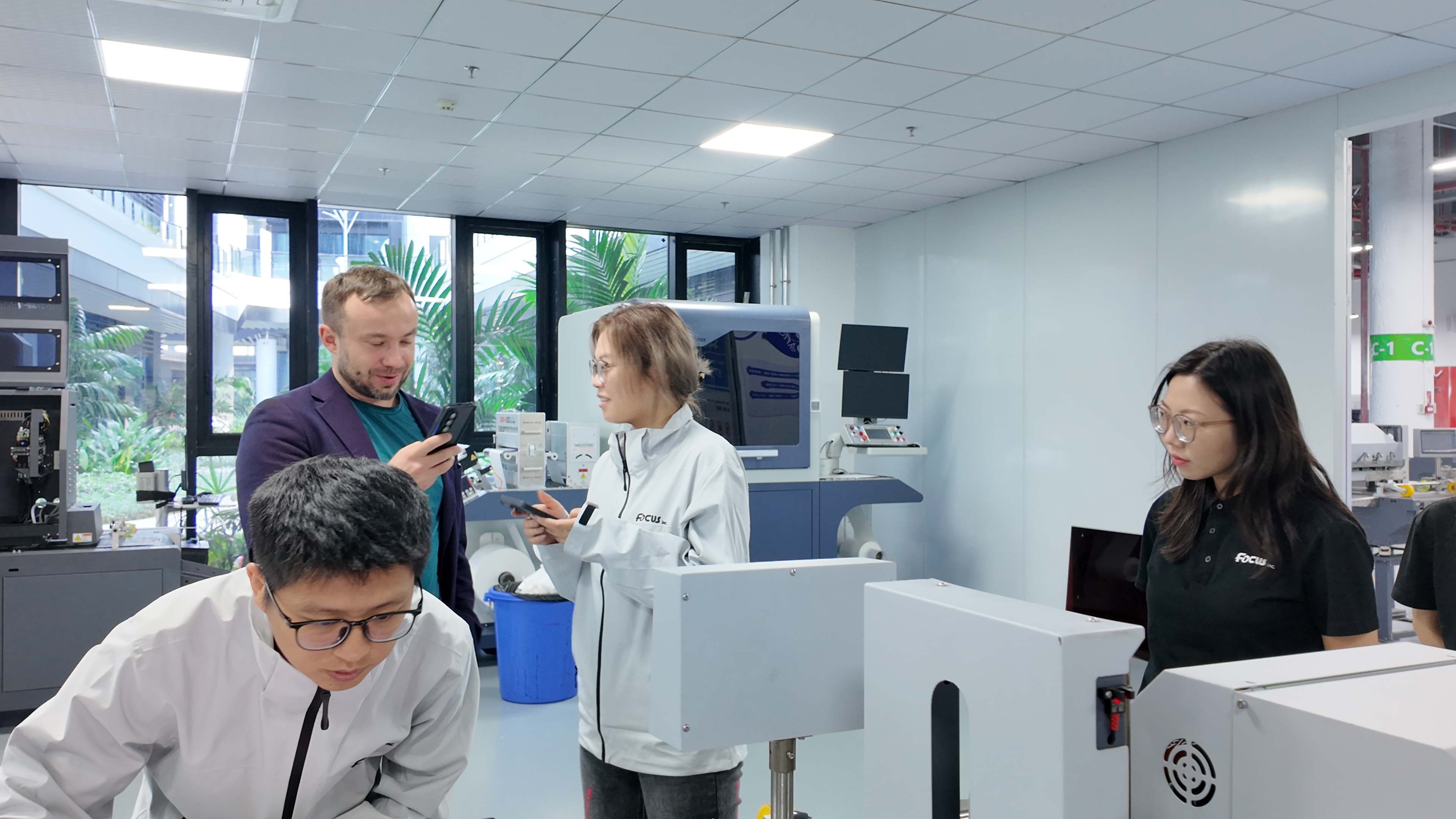
Sample testing before purchase. Request a print run on your own substrate for the model you are shortlisting.
To take the next step, send your substrate and artwork for a sample print test, or request a full quotation and specification sheet for the model that matches your class. FocusInc (Shanghai Focus Industrial Co., Ltd.) can be reached at focusincprinter.com, by email at info@focusdgt.com, or on WhatsApp and WeChat at +86 177 6513 2139. The factory introduction brochure is available for download here.
Have Questions or Need More Details?
Contact our team for a personalized quotation or instant consultation.
Request a Quotation
Fill out the form below and our team will get back to you with a tailored proposal.
WhatsApp Direct Chat
Prefer to chat in real-time? Message us on WhatsApp for instant assistance & quick answers.
- Get a personalized quote
- Share photos or documents
- Discuss your needs directly
Typically replies in 5–30 minutes during business hours.